HOW TO FEEL BETTER IN YOUR 40’S-50’S AND BEYOND
Managing Stress During the Transition to Post-Menopause
During the transition to post-menopause, certain dietary and lifestyle factors can significantly influence how you feel. Of these, stress management is the most important.
Understanding Stress
Not all stress is bad. There’s a difference between positive and negative stress:
- Positive stressors: Exercise, challenging but rewarding activities.
- Negative stressors: Lack of sleep, constant work pressure, unresolved emotional strain.
Some stressors can be removed or avoided, while others must be actively managed.
How Chronic Stress Affects Hormones
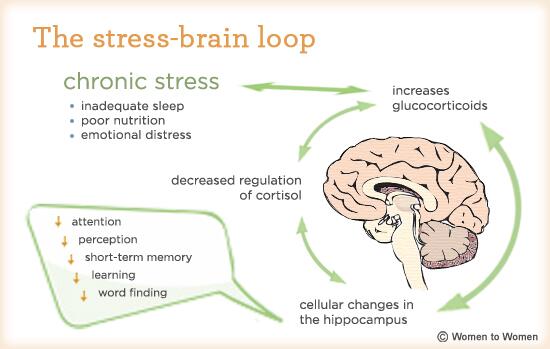
If stress has been ongoing, it can overwork the adrenal glands, reducing their ability to produce sex hormones at the correct levels. Long-term stress can disrupt the Hypothalamic-Pituitary-Adrenal (HPA) axis, the system that helps the brain communicate with the adrenal glands.
Normally, the HPA axis signals when cortisol (the stress hormone) production can stop. But in many women, chronic stress overwhelms the system, leading to constant cortisol production. This creates a cycle of stress that is difficult to break.
Ways to support the HPA axis:
- Be kinder to yourself.
- Take 15 minutes for meditation or quiet reflection with a cup of tea.
- Switch off devices at least 2 hours before bed.
- Ensure daily “downtime” to avoid staying constantly “switched on.”
Prolonged stress and overexertion can negatively impact hormones and even brain health.
Progesterone’s Role
Progesterone helps stabilize the HPA axis and supports thyroid function, highlighting the importance of hormone balance during this transition.
Effects of Negative Stress
Negative stress can lead to:
- ↑ Cortisol and adrenaline
- ↑ Insulin
- ↑ Visceral fat deposition
- ↑ Cholesterol
- ↑ Oxidative stress
- ↑ Inflammation
Stress and Female Hormones
Chronic stress can disrupt hormonal balance in multiple ways:
- Increased cortisol lowers progesterone and alters the estrogen-to-progesterone ratio.
- High “spent” cortisol increases inflammation.
- Elevated cortisol contributes to insulin resistance, weight gain, and thyroid resistance.
Think of cortisol as a hormone whose main role is: “I increase blood sugar (glucose).”
Chronic Stress and Female Health
Ongoing stress during perimenopause or post-menopause may:
- Increase hot flashes
- Worsen PMS
- Increase depression and mood swings
- Reduce bone density
- Decrease libido and sex drive
While the body can be more resilient during perimenopause, chronic stress can have long-term negative consequences.