
It’s more than just oestrogen.
Adiponectin and Menopause
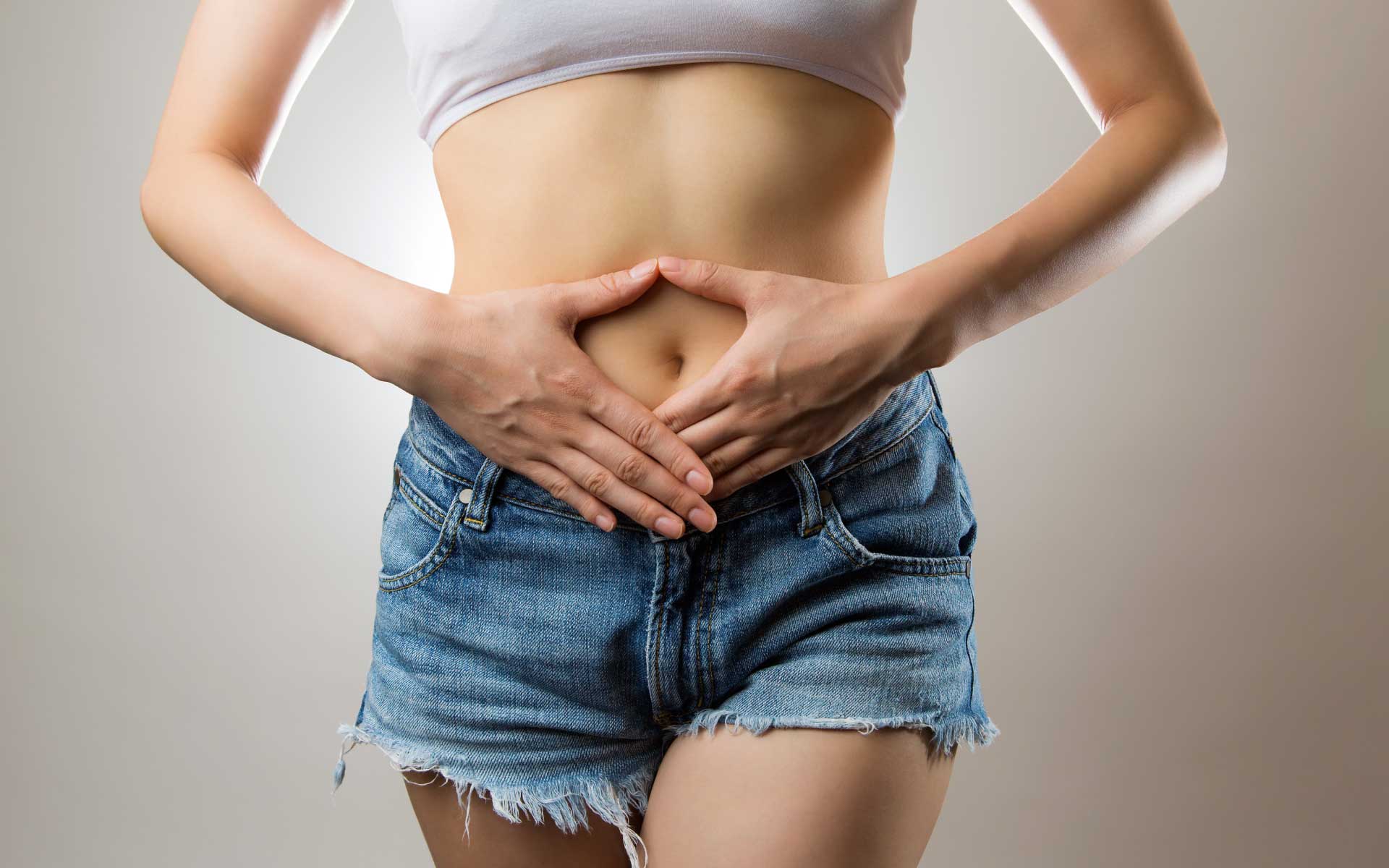
As abdominal fat increases during menopause, levels of a beneficial hormone called adiponectin tend to decrease. Adiponectin is produced by fat cells and plays a key role in helping the body respond effectively to insulin. It supports fat burning in the liver and muscles and helps regulate blood sugar levels.
What Is Adiponectin?
Adiponectin is a protein hormone primarily made by adipose (fat) tissue, which stores energy in the body. Once released into the bloodstream, adiponectin travels to various tissues where it helps regulate important metabolic processes.
This hormone plays a crucial role in glucose and lipid metabolism. It improves insulin sensitivity, allowing the body to use glucose more efficiently, and promotes the breakdown of fatty acids, helping to reduce excess fat storage.
Low levels of adiponectin are strongly associated with insulin resistance and metabolic syndrome. During menopause, increased abdominal weight is often accompanied by a drop in adiponectin, which may contribute to the development of insulin resistance.
Hormones, Lifestyle, and Adiponectin
Adiponectin levels are influenced by other hormones, including IGF-1, growth hormone, and leptin. Because these hormones are affected by sleep quality and physical activity, maintaining regular movement and getting sufficient restorative sleep can help support healthy adiponectin levels and body fat balance.
Dietary Changes to Support Adiponectin
Certain foods have been shown to increase adiponectin production—particularly those rich in omega-3 fatty acids, which have anti-inflammatory effects. Examples include salmon, sardines, and flaxseed. Research suggests these foods can help raise adiponectin levels while reducing inflammation.
Other foods that support healthy adiponectin levels include:
- Berries (e.g. blueberries, strawberries)
- Nuts (e.g. almonds, walnuts)
- Monounsaturated fats (fish oil, olive oil, avocado, olives)
- Legumes (lentils, chickpeas)
- Whole grains (brown rice, quinoa)
- Green vegetables (spinach, kale, broccoli)
Conversely, diets high in saturated fats, trans fats, and highly processed foods are associated with reduced adiponectin production. These foods can increase inflammation and insulin resistance, negatively affecting blood sugar and fat metabolism.
Additional Support Strategies
- Herbs and spices such as fennel, sage, and ginger
- Daily movement, aiming for around 30 minutes per day
- Short bursts of high-intensity exercise (e.g. hill walking, skipping, fast cycling, mountain climbers) to stimulate growth hormone, which may help support adiponectin levels

