

Support Your Bones Before the Hormonal Transition – Here’s Why
Building strong bones is important throughout life, but it becomes especially crucial before perimenopause and menopause. The stronger your bones are going into this transition, the lower your risk of osteoporosis later on.
In fact, 1 in 2 women over the age of 50 will experience reduced bone density or bone quality, increasing their risk of fractures. What many women don’t realise is that bone changes often begin during perimenopause, not just after menopause.
How Bone Health Works
Your bones are constantly being renewed through a process called bone remodelling. This involves two types of cells:
- Osteoblasts – build new bone
- Osteoclasts – break down old bone
Hormones, diet, movement, and lifestyle all influence this balance.
Peak bone mass is usually reached by around age 30. After this, bone mass stays fairly stable until perimenopause. Factors such as long-term under-eating, missed periods, or nutrient deficiencies earlier in life can reduce bone strength unless addressed.
Bone Changes During Perimenopause & Menopause
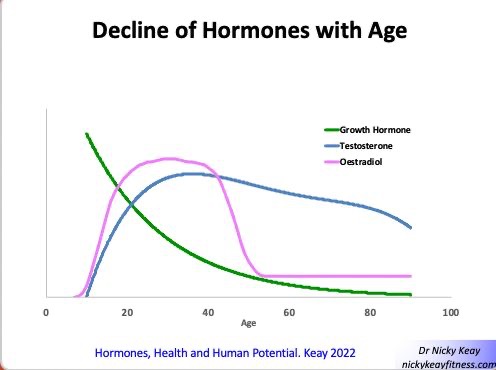
During perimenopause, fluctuating oestrogen and falling progesterone create a vulnerable time for bone health. Bone breakdown can begin to outweigh bone building.
After menopause, oestrogen levels drop further, leading to faster bone loss:
- Around 2% per year for the first five years
- About 1% per year thereafter
This can result in loss of bone density, strength, and even height.
Types of Bone
There are two main types of bone in the body:
- Cortical bone – dense and strong (arms, legs, ribs, skull)
- Trabecular bone – lighter and more porous (spine, hips, wrists)
Trabecular bone is more vulnerable to osteoporosis, which is why fractures often occur in the spine and hips.
Osteoporosis is often called a “silent disease” because bone loss happens without symptoms until a fracture occurs.
Lifestyle Habits That Protect Bones
Exercise
- Weight-bearing and bodyweight exercises
- Resistance training
- Balance, flexibility, and core work
These signals tell your body to keep bones strong.
Quit Smoking
Smoking accelerates bone loss, increases fracture risk, and slows healing.
Alcohol in Moderation
Excess alcohol increases fracture risk and affects balance and bone breakdown.
Reduce Salt & Ultra-Processed Foods
High salt intake increases calcium loss and raises osteoporosis risk.
Manage Inflammation
Chronic inflammation contributes to bone loss, so supporting overall health is key.
Nutrition for Strong Bones
Healthy Fats
Fat-soluble nutrients needed for bone health require healthy fats for absorption. Include:
- Oily fish
- Olive oil, avocado
- Nuts, seeds, eggs
Protein & Collagen
Protein forms the structure of bone. Aim to include quality protein at every meal. Collagen-rich foods or supplements may support bone and muscle health.
Phytoestrogens
Plant compounds found in foods like flaxseed and legumes may help protect bone density after menopause.
Key Bone Nutrients
Calcium
Essential for bones, muscles, and heart function. Good sources include:
- Sardines
- Sesame seeds
- Dark leafy greens
- Nuts
If supplementing, choose a balanced formula with supporting nutrients.
Magnesium
Helps calcium work properly and supports bone building and repair.
Fat-Soluble Vitamins (A, D, E, K)
- Vitamin D supports bone mineralisation
- Vitamins A, E, and K also play key roles
An ADEK combination may be beneficial.
Research shows that HRT combined with adequate calcium and vitamin D provides greater bone protection than HRT alone.
Key Takeaway
Supporting bone health before and during perimenopause through strength training, nutrition, and lifestyle choices can significantly reduce the risk of osteoporosis later in life.
Can HRT help?
Dose of oestradiol gel as low as 0.25 mg/day produced an increase in bone density.
MEDICATIONS known to DECREASE Bone Mineral Density:
- Aromatase inhibitors (oestrogen cancer treatments)
- Proton pump inhibitors
- Selective serotonin reuptake inhibitors (SSRI´s)
- Anticonvulsants.
- Current or past use of glucocorticoid treatment for 3 months or longer
