
REMOVING USED UP HORMONES
Hormone Detoxification – Made Simple
Detoxification is something your body does all day, every day. Its job is to break down and remove hormones, toxins, and waste products. However, lifestyle factors, nutrient deficiencies, genetics, alcohol, and toxins can slow this process down.
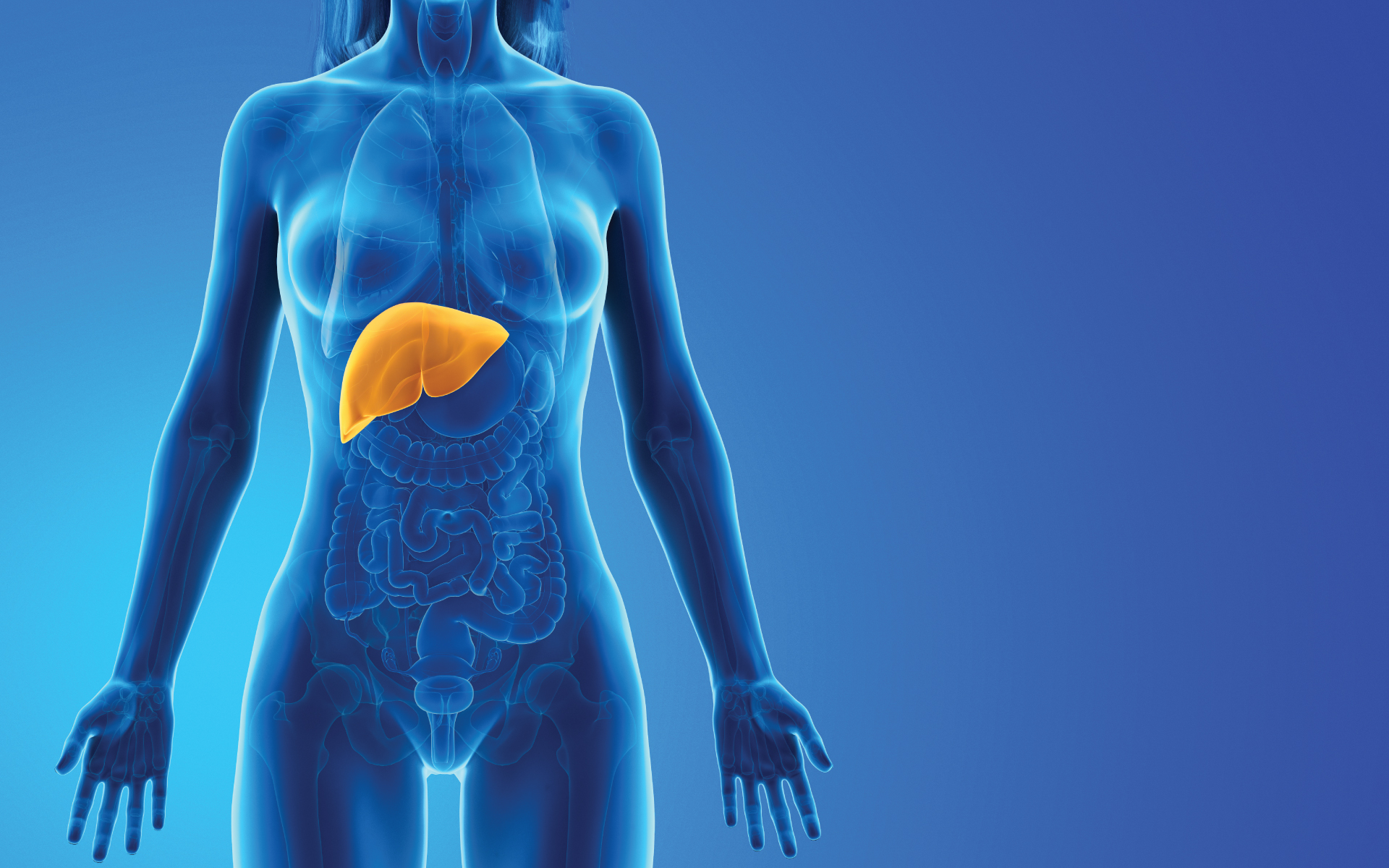
When your body produces hormones like oestrogen, they must be properly broken down and removed. This process happens mainly in the liver and is called hormone metabolism.
As oestrogen is processed, it is converted into different forms called metabolites. Some of these are safer than others, so how well this system works really matters—especially during perimenopause and menopause.
Phase 1: Breaking Oestrogen Down
Phase 1 detoxification happens in the liver. This step needs key nutrients such as:
- B vitamins
- Selenium
- Glycine (an amino acid)
Alcohol and environmental toxins (xenoestrogens) can interfere with this step, which is why alcohol can raise circulating oestrogen levels and increase breast cancer risk.
During Phase 1, oestrogen is converted into three main metabolites:
- 2-OH oestrogen – considered the safest form
- 4-OH oestrogen – less desirable
- 16-OH oestrogen – supports bone growth but can overstimulate breast tissue
The goal is to favour the 2-OH pathway as much as possible.
Phase 2: Neutralising Oestrogen (Methylation)
In Phase 2, the body neutralises the oestrogen metabolites so they can be safely excreted rather than recycled back into the body.
This process is called methylation and relies on:
- Magnesium
- Zinc (seafood, pumpkin seeds)
- Choline (eggs)
- Folate and B vitamins
- Methylated B12
An important enzyme called COMT helps with this step. When oestrogen is high compared to progesterone—as is common in perimenopause—COMT can slow down, contributing to symptoms like anxiety, headaches, and poor sleep.
Cruciferous vegetables such as broccoli, kale, cauliflower, Brussels sprouts, and especially broccoli sprouts and microgreens, help support healthier oestrogen metabolism.
Phase 3: Eliminating Oestrogen
Once oestrogen has been broken down and neutralised, the body must remove it—through urine and stool.
This means:
- Daily bowel movements are essential
- Constipation can cause oestrogen to be reabsorbed, leading to excess
Gut health plays a key role here. Unhealthy gut bacteria can reactivate oestrogen, allowing it to re-enter circulation instead of leaving the body. This contributes to oestrogen dominance.
Supporting digestion and gut balance is therefore just as important as liver support.
Key Takeaway
Hormone balance isn’t just about how much oestrogen you make—it’s about how well your body:
- Breaks it down
- Neutralises it
- Eliminates it
Supporting liver function, gut health, nutrition, and lifestyle habits is essential—especially during perimenopause and menopause.
