Bone/Joint Health & the Gut Microbiome: The Link
Inflammation, Hormones, and Bone & Joint Health During Menopause
Inflammation is now recognised as a major contributor to bone loss and joint pain. During menopause, drops in oestrogen increase inflammation, weaken joint protection, and contribute to aches, stiffness, and conditions such as osteoarthritis and rheumatoid arthritis. With bone, osteopenia and osteoporosis.
Did you know that musculoskeletal pain affecting, joints, muscles and connective tissue around them affects 7 in 10 women – It is known as the musculoskeletal syndrome of menopause. Aches may appear in perimenopause and in some become severe once in post menopause and the NATURAL oestrogen levels have fallen.
Examples of common issues in PERI/POST MENOPAUSE
Frozen shoulder is more common in women than men especially ages 40-50 (PERIMENOPAUSE)
Plantar fasciitis – inflammation of the sole of your foot, is also more common perimenopause to menopause.
Gluteal tendinopathy – hip pain also increases in menopause.
The lack of oestrogen also increases sensitivity to pain. When hormones are fluctuating in peri-menopause the sudden changes can increase the intensity of pain experienced.
High levels of cortisol can further amplify sensitivity to pain, making muscle and body aches more pronounced.
Magnesium and Muscle Health
Falling oestrogen can also affect magnesium uptake and utilisation, which is crucial for muscle function and relaxation. Low magnesium can lead to:
- Muscle aches and pains
- Muscle fatigue
- Muscle cramps
Progesterone and Muscle Relaxation
Progesterone plays a key role in keeping muscles relaxed. As progesterone levels fluctuate and decline during menopause, increased muscle tension and pain are common.
Role of Oestrogen in Bone and Joint Health
- Bone and cartilage support: Oestrogen interacts with bone cells and cartilage growth factors to maintain joint health.
- Immune-bone balance: Adequate oestrogen supports immune function, which is closely linked to gut health.
Gut Microbiome Connection
The gut plays a critical role in hormone regulation, metabolism, mood, and bone and cartilage health. About 75% of immune activity occurs in the gut.
Effects of Low Oestrogen on the Gut:
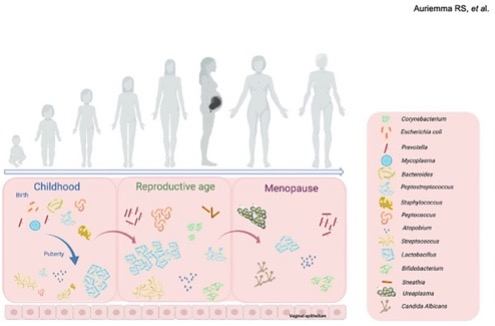
- Alters gut bacteria composition
- Reduces microbial diversity
- Increases inflammation, joint pain, and bone deterioration
- Weakens gut lining integrity, contributing to “leaky gut”
How the Gut Influences Bone Health
- Calcium and Mineral Absorption: Gut bacteria help absorb calcium and regulate bone remodeling.
- Probiotics and Prebiotics:
– Probiotics: Restore microbial diversity and support gut and immune health.
– Prebiotics: Found in foods like artichokes, asparagus, dandelion greens, and bananas; they feed beneficial gut bacteria and support calcium absorption.
Mechanisms:
- Prebiotic fibre feeds healthy gut bacteria.
- Gut bacteria regulate cytokines that control bone resorption and formation (building new bone).
Benefits of a Healthy Gut:
- Reduces inflammation
- Improves absorption of magnesium, calcium, vitamin D, and vitamin K—all vital for bone health
- Supports digestion and overall nutrient metabolism
Probiotics for Bone Health:
Certain strains, such as Lactobacillus plantarum HEAL9, HEAL19, and L. paracasei 8700:2, have been shown in clinical trials to significantly reduce bone loss—up to 78% in early postmenopausal women.