
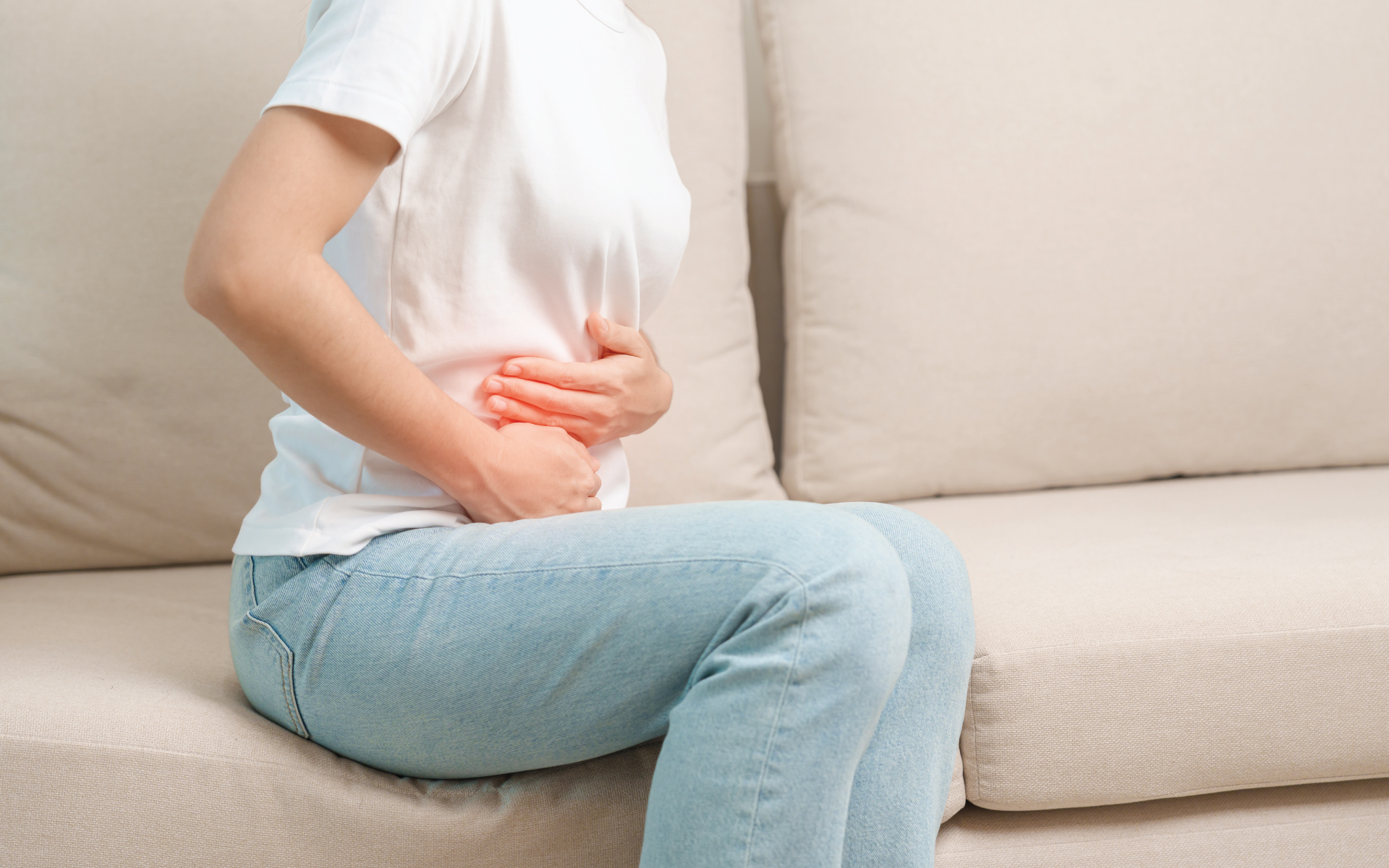
Managing Gallbladder health
When we talk about menopause, we usually focus on hormones, hot flushes, and fatigue. But the gallbladder also plays an important role in how you feel during this stage of life.
If you’re experiencing bloating, difficulty digesting fats, nausea, or sluggish digestion, your gallbladder may need some support. Understanding how menopause affects it can help you improve your digestion and overall comfort.
What the Gallbladder Does
The gallbladder is a small organ under the liver.
Its main job is to store and release bile—a fluid made by the liver to break down fats. When you eat foods containing fat, the gallbladder sends bile into the small intestine to help digestion.
Bile also helps the body remove excess estrogen and waste products. This means gallbladder function is linked to hormone balance.
How Menopause Affects the Gallbladder
During perimenopause and menopause the changes to oestrogen and progesterone levels can slow digestion and affect bile flow. For example:
- Slower bile flow
Lower oestrogen levels can make bile thicker and slow-moving, increasing the risk of gallstones and poor fat digestion. - Higher cholesterol in bile
Hormonal changes can affect how the liver handles cholesterol. If bile has too much cholesterol and not enough bile salts, crystals may form and develop into gallstones. - Reduced gallbladder movement
Slower digestion can mean the gallbladder empties less fully, leading to stagnant bile.
HRT and Gallstones
Hormone replacement therapy can affect the gallbladder depending on how hormones are taken.
- Oral oestrogen (tablets) passes through the liver and may increase the risk of gallstones.
- Transdermal oestrogen (patches, creams, gels) bypasses the liver and appears to carry a lower risk.
If you’re considering HRT and have gallbladder concerns, speak to your gynocologist about transdermal options.
Signs Your Gallbladder May Need Support
Symptoms can be mild at first. Common signs include:
- Pain or discomfort in the upper right abdomen, especially after fatty meals
- Bloating or nausea
- Pain between the shoulder blades
- Pale or floating stools
- Difficulty tolerating fatty or fried foods
There are many natural ways to support digestive health. Start by eating food mindfully.
