Maintaining Vaginal health
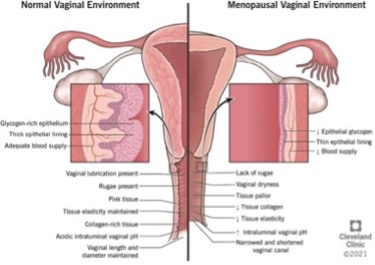
Vaginal health changes during perimenopause and especially into menopause because hormones drop, especially oestradiol (E2).
The vagina has its own microbiome (a group of microbes) that keeps it healthy. The most important are lactobacilli, which make the vagina acidic (pH 3.8–4.4). This acidity protects against infections.
When lactobacilli levels fall, the vagina becomes less acidic and infections become more likely.
Healthy vaginal bacteria
These should be the most common species in a healthy vagina:
- Lactobacillus crispatus
- Lactobacillus iners
- Lactobacillus jensenii
- Lactobacillus gasseri
What affects vaginal health?
Hormonal changes + daily habits
These can reduce lactobacilli and create imbalance (dysbiosis) which can lead to:
- bacterial vaginosis
- yeast infections
- STIs
- urinary tract infections
- fertility problems
Diet
Low levels of vitamin A, C, E, beta-carotene, or iron, or high sugar/fat, obesity, and high blood glucose are linked to unhealthy vaginal bacteria.
Hormones + mucus
Oestrogen makes mucus that protects the vagina by keeping acidity high.
When mucus decreases at menopause, the vagina:
- becomes less acidic
- dries out
- becomes more prone to infections
Common vaginal changes in menopause
Candida / Thrush
Caused by low acidity and low mucus.
Support options:
- vaginal probiotics (not digestive probiotics)
- helpful yeast: Saccharomyces cerevisiae
- boric acid pessaries
- lactic-acid pessaries or douches
– if antibiotics are given, always take probiotics afterward
Vaginal dysbiosis
Symptoms:
- itching, burning, pain
- watery or cottage-cheese discharge
- unpleasant smell (fishy/ammonia/rotten)
Cystitis / bladder infections
Low lactobacilli increases risk.
Tips:
- drink plenty of water
- use vaginal probiotics
- consider cranberry products
- avoid unnecessary antibiotics
Vaginal dryness
Because mucus and eostrogen drop, lining becomes thin and easily irritated.
Symptoms:
- pain during sex
- spotting afterward
- itchiness and inflammation
Support:
- vaginal probiotics
- lubricants/moisturisers
Yes VM pH is a pH balanced hydrating moisteriser and a non-hormonal option for managing vaginal atrophy and dryness. They also make a lubricant to reduce any irritation that sex may bring.
Thinning of vaginal/vulva skin
- Skin becomes fragile and can cause nerve pain.
Support:
- massage oil or cream twice daily
Vaginal atrophy
Low oestrogen causes shrinking of vaginal/vulva tissue as mentioned in blog on skin health.
The skin can thin up to 30% within the first 5 years after menopause.
Support:
- ask doctor about local oestrogen creams if permitted or try sea buckthorn oil (Pharma nord) and Yes VM moisterising products
Changes in smell or discharge
Due to hormone shifts or microbiome imbalance.
Often improves with probiotics.
If estrogen is still fluctuating (peri-menopause), discharge may increase temporarily.
Possible supports:
- Agnus castus
- probiotics