GLYCINE
The amino acid which may improve many symptoms associated with hormonal changes
Fueling Muscles and Protecting Cells: More Than Just Collagen
Glycine is a versatile amino acid that supports muscle energy by aiding creatine production and promotes brain health. It also plays a key role in forming glutathione, the body’s master antioxidant, protecting cells from premature damage and aging.
Balancing Mood and Promoting Sleep
As an inhibitory neurotransmitter in the central nervous system, glycine helps calm the brain, supporting mood regulation and better sleep. Research suggests it may lower core body temperature, reducing night-time awakenings, and promoting deeper, more restorative REM sleep.
Cognitive Health: A Multifaceted Ally
Glycine’s calming effects may also ease anxiety, anger, and mood swings. It supports cognitive health, and ongoing research explores its potential role in preventing neurological diseases such as Parkinson’s.
Holistic Health Benefits: Blood Sugar, Liver, and Heart
Glycine helps regulate blood sugar by improving insulin sensitivity and may reduce the risk of diabetes. It has liver-protective effects, potentially decreasing fatty liver, and contributes to heart health by enhancing nitric oxide utilization, reducing cardiovascular risk, and promoting healthy arteries. Additionally, glycine is a building block for hemoglobin, essential for healthy red blood cells and oxygen transport.
Inflammation Control and Immune Support
With its anti-inflammatory and immune-regulating properties, glycine supports overall health and resilience.
Glycine Depletion
Certain conditions can deplete glycine, increasing your body’s requirements. Glycine reserves are drawn upon to produce collagen, creatine, and glutathione. Factors such as obesity, hypothyroidism, diabetes, and depression can further contribute to depletion.
Glycine Safety and Sources
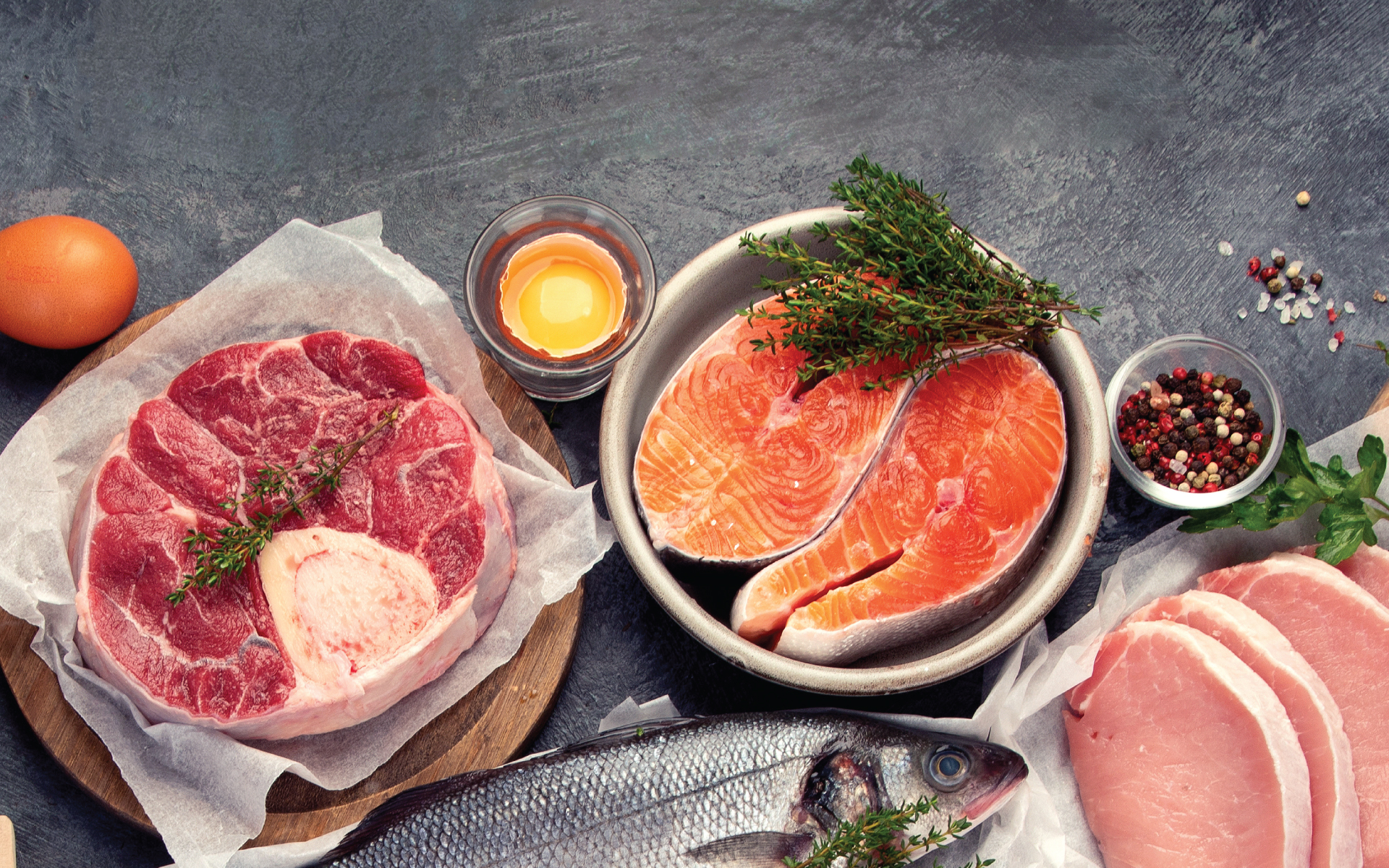
Rich dietary sources include meat, poultry, fish, and dairy. Plant-based sources include seeds, nuts, and legumes. Glycine supplementation is generally safe, though excessive intake with supplementation should be avoided.