
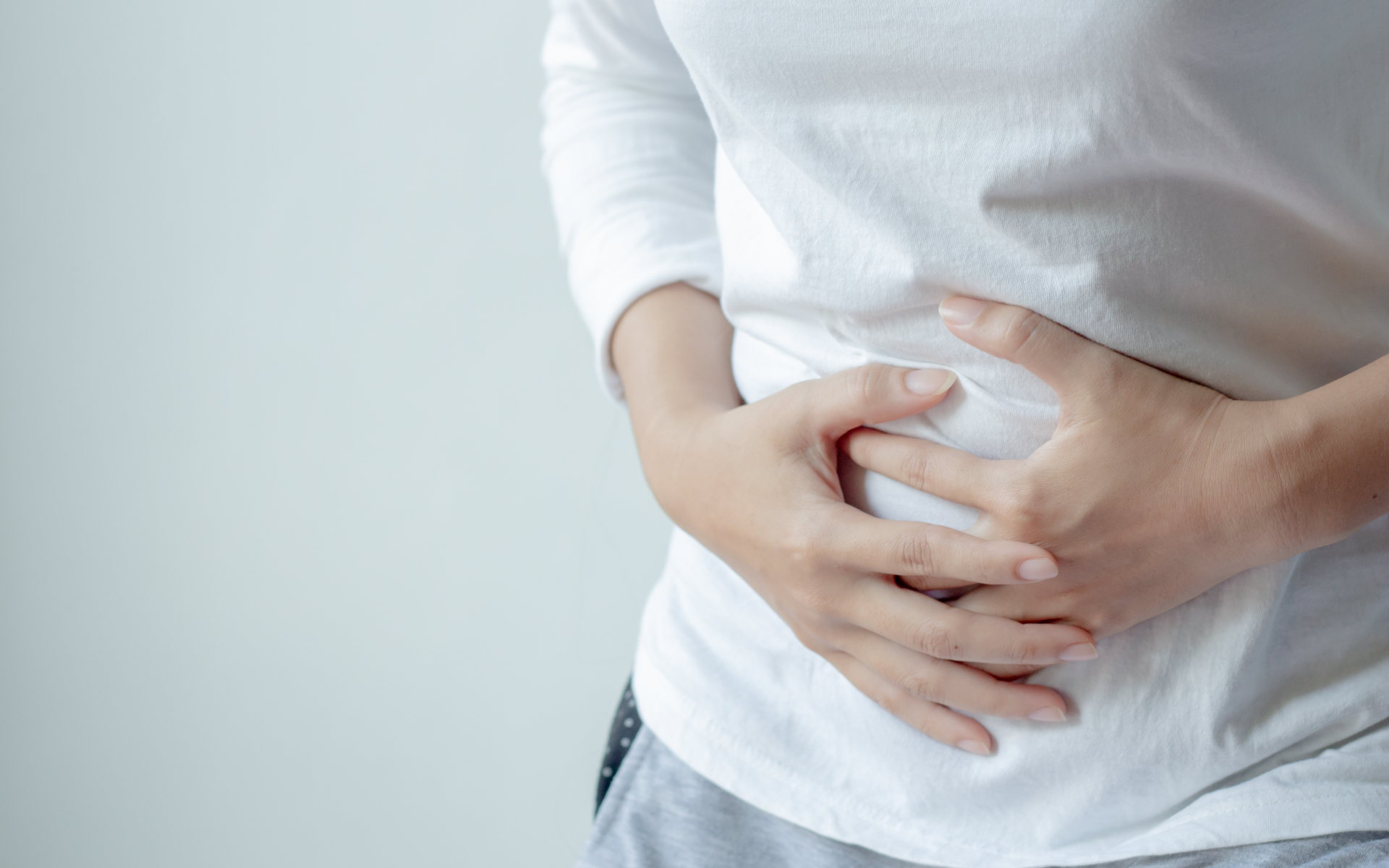
How the Gut Influences Oestrogen During Menopause
During menopause, falling estrogen levels directly affect the gut, leading to:
- Shifts in gut bacteria
- Weaker gut lining
- Increased inflammation
- Digestive problems and mood changes
The Oestrobolome: Your Oestrogen-Regulating Bacteria
The oestrobolome is a subset of gut bacteria that manage oestrogen. These bacteria produce enzymes (mainly beta-glucuronidase) that reactivate oestrogen, converting it from an inactive form to an active form that circulates in the blood.
- Healthy oestrobolome: oestrogen is processed and balanced efficiently.
- Disrupted oestrobolome (dysbiosis): oestrogen balance is thrown off. This can worsen menopausal symptoms like hot flashes, mood swings, fatigue, belly fat, and long-term risks like osteoporosis and heart disease.
How Hormone Changes Affect the Gut
Declining oestrogen and progesterone levels also change the gut environment:
- Leaky gut: estrogen maintains tight junctions in the gut lining. Low levels allow toxins and undigested food into the bloodstream, triggering inflammation and immune issues.
- Reduced bacterial diversity: fewer types of beneficial bacteria can lead to insulin resistance, weight gain, and chronic inflammation.
- Shift toward a “male-like” microbiome: increases in bacteria such as Bacteroides and Prevotella, and decreases in beneficial Firmicutes, can worsen metabolism and nutrient absorption.
- Slower gut motility: reduced hormone levels slow food movement, causing bloating, constipation, and digestive discomfort.
This creates a feedback loop: low oestrogen weakens gut health, which reduces the oestrobolome’s ability to balance hormones, worsening menopausal symptoms. Supporting both gut and hormone health is essential to break this cycle and maintain overall well-being.
What else influences the oestrobolome
- genetics
- diet
- alcohol
- medications (especially antibiotics)
- environmental toxins
How to support a healthy gut + oestrogen balance
- improve detoxification and digestion
- choose helpful foods
If testing shows high beta-glucuronidase, supplements can help—but bowel regularity and diet must be addressed first.
